
Cape Verde National Football Team vs Senegal: Tournament Path
The Cape Verde national football team represents Cabo Verde in international men’s football and competes under the African Football Confederation, or CAF. Known as the Blue Sharks, the team has develo...
Cape Verde National Football Team vs Senegal: Tournament Path
The Cape Verde national football team represents Cabo Verde in international men’s football and competes under the African Football Confederation, or CAF. Known as the Blue Sharks, the team has developed from a regional underdog into a serious African contender, reaching the Africa Cup of Nations quarter-finals in 2023 and securing a historic place at the 2026 FIFA World Cup. Cabo Verde became a FIFA member in 1986 and has built its squad through a strong diaspora network across Portugal, France, the Netherlands, and the United States. The team’s identity rests on disciplined defending, quick transitions, and technically capable attackers rather than overwhelming possession. Unlike Senegal, which has a deeper record of major-tournament success, Cape Verde usually wins through efficiency and organization. The practical takeaway is simple: assess defensive structure, venue, and squad availability before judging Cape Verde’s match odds.

Photo by damien Saillet on Pexels
Cabo Verde’s rise is one of those football stories that makes probability nerds quietly delighted. The country has a population of roughly half a million across Atlantic islands, yet its national team repeatedly competes against countries with much larger player pools. That does not happen by accident. Football infrastructure, diaspora eligibility, coaching continuity, and smart recruitment have increased the team’s expected performance over time. Listen up — this is the part that matters: Cape Verde is no longer merely a “nice story” on a tournament graphic. The Blue Sharks have become a tactically awkward opponent for stronger teams, especially when they score first and can protect a narrow lead. Football Insights follows the team through a FIFA World Cup lens, combining match previews, tactical notes, player statistics, and responsible betting analysis rather than pretending every 1-0 result is a secret algorithmic prophecy.
Want a clearer starting point for tournament analysis?
The Quick Comparison
| Category | Cape Verde | Senegal |
|---|---|---|
| Common nickname | Blue Sharks | Teranga Lions |
| Confederation | CAF | CAF |
| FIFA membership | 1986 | 1962 |
| World Cup profile | Historic 2026 qualification | Established World Cup participant |
| Best AFCON result | Quarter-finals, 2023 | Champions, 2021 |
| Typical tactical identity | Compact, transitional, flexible | Athletic, aggressive, transition-heavy |
| Main analytical edge | Organization and discipline | Squad depth and individual quality |
| Main risk | Limited margin for injuries | Pressure to dominate weaker opponents |
The comparison is not meant to insult Cape Verde or crown Senegal before kickoff. It simply explains the baseline probability. Senegal has more elite-level depth, a stronger record at the Africa Cup of Nations, and greater experience in World Cup competition. Cape Verde, however, can narrow that gap when the match becomes slow, physical, and low scoring. In a 90-minute sample, one set piece or defensive error can overwhelm broad reputation. That is why a bettor who blindly backs the bigger football nation may be paying for history rather than current matchup conditions. The FIFA team profiles and CAF competition records are useful reference points, but neither replaces checking the actual lineup.
What does the Cape Verde national football team represent?
The Cape Verde national football team represents Cabo Verde, an island nation off the northwest coast of Africa, in FIFA and CAF competitions. The side is commonly called the Blue Sharks and draws heavily on players connected to the Cape Verdean diaspora in Europe and North America.
That identity has practical football consequences. Cape Verde’s selection pool includes players shaped by Portuguese, French, Dutch, and English football environments, so the squad often combines different tactical educations. This can create flexibility, but it can also produce chemistry questions when a coach changes the structure too often. The national team’s history is comparatively young: Cabo Verde gained independence from Portugal in 1975, joined FIFA in 1986, and gradually improved its competitive standard during the 2000s and 2010s. The turning point for global attention came through stronger AFCON performances and a generation comfortable playing professional football abroad. A country with fewer domestic resources must squeeze value from every eligible player, every training camp, and every set-piece rehearsal. Basically, the Blue Sharks cannot waste possessions like a rich squad with three replacements for every position. That sounds obvious, yet football keeps rewarding teams that remember it.
To understand the country’s football development, compare its international results with the broader African football tournament guide, especially the changing qualification formats and group-stage mathematics.
Round 1: Which Team Has the Stronger Tournament History?
Cape Verde’s tournament history shows steady progress, while Senegal’s record demonstrates a higher established ceiling. Cape Verde reached the AFCON quarter-finals in 2023, whereas Senegal won the 2021 tournament and has regularly entered major competitions as a leading African power.
Cape Verde first appeared at the Africa Cup of Nations in 2013 and made an immediate impression by reaching the quarter-finals in its debut appearance. That result was not a fluke built on one lucky penalty shootout; the team showed enough structure to survive group-stage pressure and compete in knockout football. The Blue Sharks later returned to the quarter-finals at the 2023 AFCON, hosted by Côte d’Ivoire in January and February 2024 after scheduling changes. Their route included a notable run to the last eight, reinforcing the idea that Cape Verde can perform beyond its traditional ranking tier. Senegal’s history is broader and heavier: the Teranga Lions won AFCON 2021, reached the 2022 World Cup round of 16, and have been regular contenders under coaches such as Aliou Cissé. Statistically, Senegal owns the superior long-term tournament expectation. However, Cape Verde’s recent trajectory matters because trend and baseline are different variables. One tells you where a team usually sits; the other tells you whether it is moving.

Photo by Mustata Silva on Pexels
A useful contrarian insight is that Cape Verde’s best tournament value may appear before its reputation catches up. Public betting markets often react slowly to teams outside the traditional African elite, especially when casual bettors recognize Senegal, Morocco, Egypt, or Nigeria more readily. If Cape Verde’s defensive metrics remain stable while its attacking output improves, the implied odds can lag behind the underlying change. That does not mean “bet Cape Verde every time,” which is the kind of strategy invented five minutes before someone loses rent money. It means compare estimated win probability with the bookmaker’s implied probability. For decimal odds, implied probability is calculated as 1 divided by the odds; odds of 2.50 imply 40 percent before margin. Football Insights recommends recording closing odds, lineups, and match state, because a perceived edge that vanishes at kickoff was never an edge you could actually use. Historical performance is context, not a coupon code.
Want tournament context before evaluating a match price?
Round 2: How Do Cape Verde and Senegal Play?
Cape Verde generally relies on a compact defensive block, quick counterattacks, and efficient use of wide areas, while Senegal more often combines physical intensity, pressing, and superior one-versus-one quality. The tactical gap narrows when Cape Verde controls transitions and avoids early defensive mistakes.
The Blue Sharks are most dangerous when the match becomes a sequence of manageable phases rather than an open exchange of attacks. Their midfield must remain close enough to protect central spaces, while wide players provide an outlet after a regain. A common pattern is to defend in a medium block, force an opponent toward the flank, then attack the space behind an advanced full-back. This approach lowers the number of high-quality chances conceded, although it can leave the team dependent on a small number of attacking moments. Senegal can create a different problem because its forwards and wide players often carry the ball through pressure rather than simply circulating it. The tactical question is therefore not “who has more possession?” but “where does possession happen, and what happens immediately after a turnover?” A team may have 60 percent possession and still produce less danger if the opponent protects the central lane. Yes, football occasionally refuses to behave like a popularity contest.
The strongest analytical edge appears in transition efficiency. Suppose Cape Verde creates four meaningful attacking transitions and Senegal creates eight; if Cape Verde generates 0.18 expected goals per transition while Senegal produces 0.10, volume alone does not tell the story. Expected goals models differ by provider, and no model predicts a single match perfectly, but shot location, defensive pressure, and assist type can reveal whether a team’s threat is repeatable. Set pieces are particularly important for Cape Verde because they offer a way to create danger without sustaining long possessions. Analysts should track corners, fouls won near the box, aerial matchups, and second-ball recoveries rather than focusing only on total shots. The World Football Elo ratings offer a helpful strength comparison, while FBref can support deeper player and team-stat research where competition data is available.
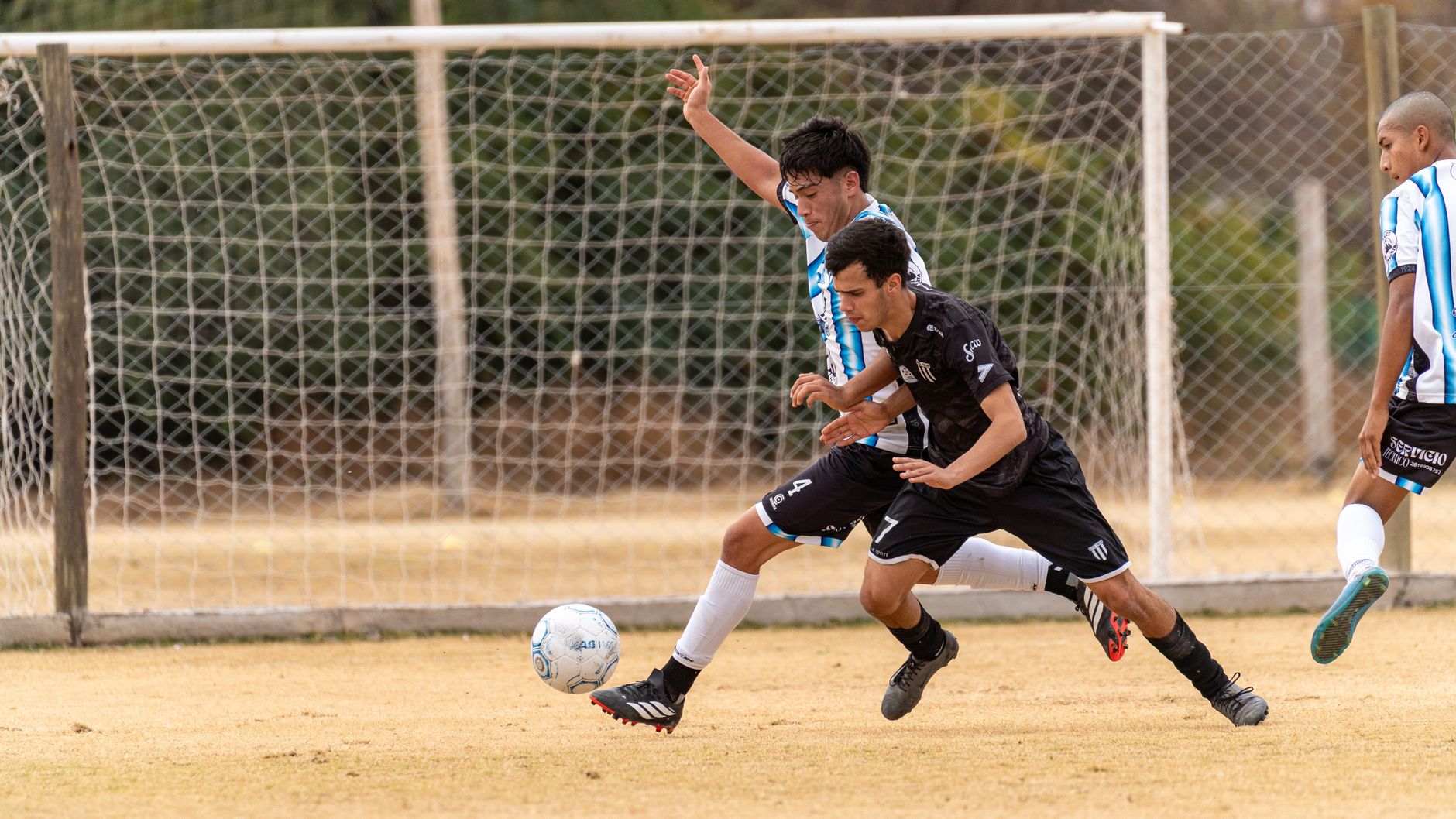
Photo by Franco Monsalvo on Pexels
Cape Verde’s tactical weakness is equally clear: if the team concedes first, its probability of winning usually falls sharply because it must attack with more numbers. That creates the exact spaces stronger opponents want. A second issue is squad depth. A suspension or injury to a key central midfielder can change the team’s pressing resistance, buildup quality, and defensive coverage all at once. This is an information-gain point many generic previews skip: do not assess only the missing player’s position; assess the chain reaction. If a holding midfielder is absent, a replacement may push the full-backs deeper, reduce passing options, and increase the goalkeeper’s long distribution. One absence can quietly alter three tactical layers. Before placing any wager, compare the probable XI with the previous competitive match and check whether the replacement has played in the same midfield pairing. That two-minute check can be worth more than reading ten dramatic headlines.
Round 3: What Should You Watch in the 2026 World Cup?
The 2026 World Cup makes Cape Verde’s first appearance at the tournament a historic milestone, but its competitive prospects will depend on group draw, travel, opponent quality, squad health, and its ability to score first. The tournament will be hosted by the United States, Canada, and Mexico, creating a demanding logistical environment.
The expanded 48-team format changes the probability landscape. More nations qualify, more group permutations exist, and the path beyond the opening stage depends heavily on the exact competition rules and draw. Cape Verde should not be evaluated using old 32-team assumptions, because qualification thresholds and advancement routes are different in a larger field. Travel between venues in North America may also matter, particularly for a squad accustomed to compact international windows. The team’s preparation should prioritize rest, defensive spacing, and set-piece organization before chasing an aesthetically pleasing possession style. If the Blue Sharks face a technically dominant opponent, conceding territory may be rational. If they face a similarly ranked side, the incentive to press higher and seek three points becomes stronger. Listen up — this is the part that matters: tournament betting is often about conditional scenarios, not one permanent opinion. A prediction made before the draw should be updated after the draw, then updated again when lineups are confirmed.
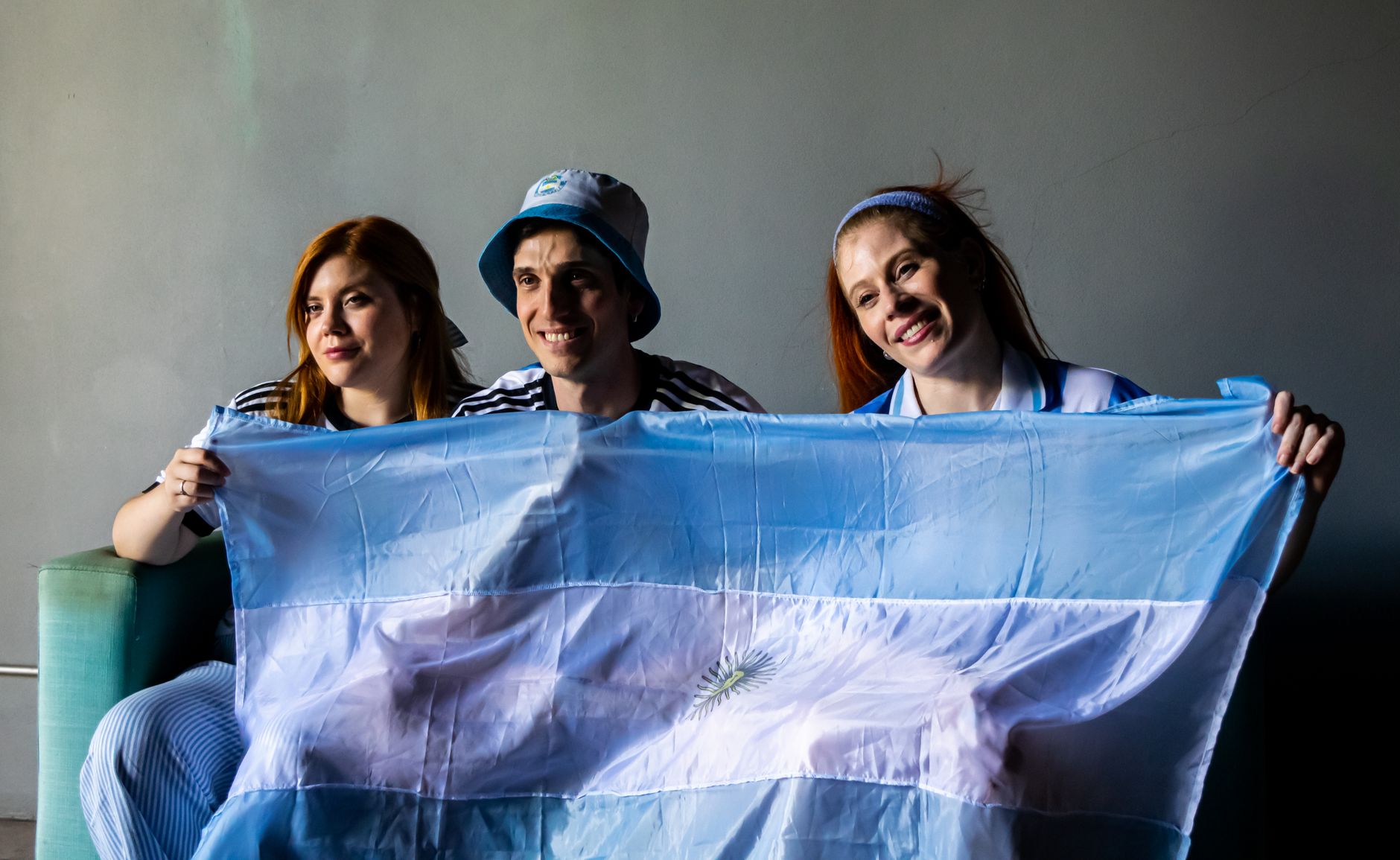
Photo by Kari Alfonso on Pexels
A practical pre-match framework can be reduced to five checks:
- Confirm the starting goalkeeper, central defenders, and holding midfielder.
- Compare Cape Verde’s recent opponents with the current opponent’s style.
- Check whether the match is in a neutral venue, Praia, Europe, or North America.
- Estimate the chance of a low-scoring game using recent shot quality, not only final scores.
- Compare your probability estimate with the available odds after accounting for bookmaker margin.
One under-discussed edge case is rest imbalance. International matches often involve players arriving from different time zones, and a club regular flying from Lisbon, Paris, or Rotterdam may have a different preparation burden from a teammate based locally. It is not enough to count days since the last match; track minutes played, travel route, and whether the player started the previous two fixtures. A centre-back with 180 minutes and two long-haul flights may be less reliable late in the game than his reputation suggests. This is not a mystical “momentum” argument. It is a workload variable. Also, do not overreact to one friendly. A 3-0 result in a low-pressure exhibition has less predictive weight than a disciplined 1-1 draw against a well-organized AFCON opponent. Football Insights uses a weighted approach: competitive matches receive more emphasis, recent tactical changes receive more emphasis, and stale historical results receive less.
See how the numbers fit together before making a tournament decision.
Responsible betting matters because even a well-calibrated model loses frequently in football. If your estimated probability is 42 percent and the market implies 45 percent, there is no mathematical value simply because you like Cape Verde’s story. Expected value can be represented as EV = probability multiplied by net payout, minus the probability of losing multiplied by the stake; the inputs remain uncertain, so staking should be conservative. Never chase a late goal with an impulsive live bet, and never increase the stake to “recover” a previous loss. Gambling should remain entertainment, not an emergency income plan. For readers using Football Insights, the sensible habit is to record the reasoning before kickoff and review the decision afterward, separating bad process from bad luck. Your future self will thank you, probably while deleting a spreadsheet containing 47 overly confident predictions.
The Final Score & Who Should Pick What
Senegal remains the safer selection when comparing overall squad depth, tournament experience, and individual quality, while Cape Verde is the more interesting underdog when defensive organization, tactical fit, and market price point in its favor. In 2026, the Blue Sharks deserve analysis as a competitive World Cup entrant rather than a novelty participant.
The final comparison depends on what you are trying to predict. If the question is “Which nation has the stronger long-term football profile?”, Senegal is the clear answer because AFCON success, World Cup experience, and player depth provide a larger performance base. If the question is “Which team could outperform its reputation in one match?”, Cape Verde becomes much more attractive, particularly against an opponent that struggles to break compact blocks. The difference between those answers is not inconsistency; it is model selection. Long-run strength and single-match value are separate markets. A good preview should tell you which one it is discussing. The Blue Sharks’ historic 2026 qualification also changes the emotional context: fans may focus on celebration, but analysts must still assess lineups, venue, rest, and tactical incentives. The heart gets the documentary. The spreadsheet gets the stake.
Use this final checklist before following any Cape Verde national football team prediction:
- Has the starting XI been confirmed?
- Is Cape Verde likely to score first, or is it expected to defend deeply?
- Does the opponent create chances through crosses, central combinations, or counters?
- Are the odds higher than your estimated fair price?
- Have you set a fixed stake and a maximum loss?
- Are you relying on current evidence rather than a famous result from years ago?
The most defensible conclusion is not that Cape Verde will win every difficult match. That would be nonsense wearing a blue shirt. The stronger conclusion is that the national team has earned serious analytical respect through AFCON progress, defensive discipline, and a growing international player pool. Senegal offers the higher baseline; Cape Verde offers the greater possibility of beating a market shaped by reputation. Follow verified squad news, treat World Cup projections as probabilities, and keep Football Insights’ match coverage alongside official FIFA and CAF information. That is how you support the Blue Sharks without letting enthusiasm do your bankroll management.
Ready to follow Cape Verde’s 2026 World Cup journey with sharper match analysis?
Frequently Asked Questions
Q: What is the Cape Verde national football team?
A: The Cape Verde national football team is the men’s representative side of Cabo Verde, competing in FIFA and CAF tournaments under the nickname Blue Sharks. Cabo Verde joined FIFA in 1986 and has built its modern squad through domestic development and a large diaspora network in Portugal, France, the Netherlands, and North America. The team is known for disciplined defending, counterattacking, and strong tournament organization.
Q: Has Cape Verde qualified for the 2026 FIFA World Cup?
A: Yes, Cape Verde secured historic qualification for the 2026 FIFA World Cup, its first appearance at the tournament. The competition will be hosted by the United States, Canada, and Mexico and will feature 48 teams. Cape Verde’s performance will depend on the final group draw, squad fitness, travel demands, and whether it can turn defensive stability into enough goals.
Q: How did Cape Verde perform at the Africa Cup of Nations?
A: Cape Verde reached the AFCON quarter-finals in both 2013 and 2023, establishing itself as a credible African tournament competitor. The 2023 edition was played in Côte d’Ivoire during January and February 2024 because of scheduling changes. Those runs matter because knockout progress requires more than one lucky result; it requires squad discipline, game management, and the ability to survive different match states.
Q: What is the difference between Cape Verde and Senegal in football?
A: Senegal has the stronger overall tournament record, while Cape Verde is a less established but tactically difficult opponent. Senegal won AFCON 2021 and has greater World Cup experience, whereas Cape Verde’s strongest AFCON results are quarter-final appearances and its historic 2026 qualification. In a single match, Cape Verde can reduce the gap through compact defending and efficient counterattacks.
Q: How should I analyze a Cape Verde match before betting?
A: Begin by checking the confirmed lineup, recent competitive opponents, venue, rest days, travel, and tactical matchup before comparing odds. Pay particular attention to the goalkeeper, central defenders, and holding midfielder because changes in those positions can affect the entire defensive structure. Convert odds into implied probability, compare that figure with your estimate, and use a fixed stake rather than chasing losses.
Q: Why might a Cape Verde prediction fail?
A: A Cape Verde prediction can fail because football has high variance, especially when one defensive error or set piece changes the match. The team’s low-margin style becomes more vulnerable after conceding first, while injuries to central midfielders can disrupt buildup and transition defense. Review whether the original reasoning was flawed or whether an unlikely event occurred; those are not the same problem.
Q: Is Cape Verde a good underdog pick for the 2026 World Cup?
A: Cape Verde can be a valuable underdog only when the odds exceed your carefully estimated probability and the matchup supports its defensive style. Its historic qualification, AFCON experience, and compact structure create a credible foundation, but limited squad depth and travel demands remain risks. Treat every selection as conditional, verify team news, and never stake money you cannot afford to lose.